How to Lose Menopause Belly Fat (The Science-Backed Way)

The Mel Robbins Podcast with Dr. Mary Claire Haver  |  February 26, 2026

Eating the same way you always have. Exercising consistently—maybe even more than before. Cutting calories. Drinking less wine.

Yet the scale keeps creeping up. Your pants don’t fit. And that frustrating ring of belly fat appeared almost overnight, refusing to budge no matter what you try.

If this sounds familiar, you’re not alone. And more importantly: this isn’t your fault.

For decades, women have been told these changes are “just part of aging”—something to accept and endure. But emerging research reveals a different story. The weight gain you’re experiencing isn’t a sign of failure. It’s a direct result of your body’s master hormone system undergoing a fundamental shift.

Understanding that shift—and what to do about it—can finally unlock the weight loss that’s been eluding you.

Skinny woman in large jeans demonstrating her skinny stomach

The Hidden Epidemic: Why Women’s Bodies Change After 40

Here’s a statistic that might shock you: women will spend one-third of their lives in menopause.

Yet when researchers search the medical literature, they find over 1.1 million studies on pregnancy—and only 94,000 on menopause. A 10-to-1 funding gap that means 90% less brain power dedicated to the last third of women’s lives.

The result? Most doctors receive minimal training on how hormones affect weight. They learn to look for hot flashes and vaginal dryness. Everything else—the unexplained weight gain, the brain fog, the joint pain—gets dismissed or treated as separate issues.

One patient described walking out of her gynecologist’s office with six referrals: cardiologist for palpitations, neurologist for headaches, rheumatologist for joint pain. What she needed was someone to connect the dots.

Those dots all lead back to one place: estrogen.

What Estrogen Really Does in Your Body (And Why Losing It Changes Everything)

Most women think of estrogen as a reproductive hormone—something that regulates periods and supports fertility. That’s like thinking of electricity as something that powers your toaster.

Estrogen is a master regulator. It has receptors in every organ system in your body—including every single system that controls your weight.

Organ SystemWhat Estrogen DoesWhat Happens Without It
MetabolismMaintains insulin sensitivityBecome insulin resistant → same calories = more fat storage
Fat DistributionKeeps fat in hips/thighs (subcutaneous)Fat shifts to belly (visceral)
BrainSupports executive function, serotoninBrain fog, cravings, mood-driven eating
MuscleHelps maintain muscle massMuscle loss → lower metabolic rate
GutMaintains microbiome diversityPoor digestion, bloating, metabolic changes
InflammationAnti-inflammatory protectionSystemic inflammation drives fat storage

When you lose estrogen—whether through perimenopause, menopause, or surgical removal of ovaries—every single one of these systems is affected. And every single one of them impacts your ability to lose weight.

The Belly Fat Connection: Why Your Body Changed Overnight

This is the question Dr. Haver hears most often: “I haven’t changed anything. Why am I gaining weight—especially in my belly?”

The answer lies in two places: visceral fat and insulin resistance.

What Is Visceral Fat?

Visceral fat isn’t the fat you can pinch. It’s the fat wrapped around your organs—inside your abdominal cavity. This is the dangerous fat that drives cardiovascular disease, diabetes, and stroke.

Before menopause, estrogen directs fat storage to your hips, thighs, and buttocks (subcutaneous fat). After menopause, that protection disappears. Fat shifts to your midsection—often rapidly.

The Insulin Resistance Connection

When estrogen declines, your body becomes more insulin resistant. Here’s what that means:

Before MenopauseAfter Menopause
Eat carbohydrates → insulin rises moderately → fuel used for energyEat carbohydrates → insulin spikes higher → more fuel stored as fat
Cells responsive to insulinCells ignore insulin signals
Stable blood sugarBlood sugar swings, more cravings
Fat stored in hips/thighsFat stored viscerally (belly)

The same calories that used to fuel you now get stored—preferentially around your midsection. This is why you can eat exactly what you always have and still gain weight.

The Gut Microbiome Factor

Even more striking: your gut microbiome changes. The diversity of your gut bacteria declines, shifting toward a profile more similar to a man’s. This loss of diversity directly impacts:

  • How you process nutrients
  • How much inflammation you carry
  • How efficiently you extract calories from food
  • Your cravings and hunger signals

Women on probiotics vs. placebo in one study had lower blood pressure and lower visceral fat—even when weight didn’t change. The gut-hormone connection is real.

When Does This Start? The Perimenopause Timeline

Most women don’t realize this process begins much earlier than they think.

By age 30, you’ve already lost 90% of the eggs you were born with. By age 40, you’re down to 3%.

Perimenopause—the transition period before your final period—typically begins 7 to 10 years before menopause. That means weight changes can start as early as age 35.

The Zone of Chaos

Perimenopause isn’t a gradual decline. It’s chaos.

Your brain signals your ovaries to produce hormones, but the ovaries are struggling. Some months you’ll have estrogen levels like you’re pregnant with triplets. Other months, levels plummet to nothing. This hormonal roller coaster explains why so many women in their late 30s and early 40s suddenly feel like they’re losing control of their weight—and their minds.

Weight-Related Perimenopause Symptoms:

SymptomWhy It Happens
Unexplained belly fat gainInsulin resistance + visceral fat shift
BloatingGut microbiome changes, water retention
Carb cravingsBlood sugar instability from insulin resistance
FatiguePoor sleep, metabolic dysfunction
Brain fogEstrogen decline affects executive function
Joint pain with no injuryLoss of estrogen’s anti-inflammatory protection
Difficulty building muscleLower anabolic hormones

The problem? Most doctors aren’t trained to recognize these as hormonal. They tell you to eat less and exercise more—advice that ignores the underlying biology.

Menopause: Life at Less Than 1% Estrogen

Menopause is officially defined as one year after your last period. The average age is 51.

At this point, your ovaries have stopped producing estradiol—the most biologically active form of estrogen. Your levels drop to less than 1% of what they were at age 25.

Contrary to what many believe, menopause isn’t the end of weight struggles. It’s the beginning of a new phase where your body must function without the hormone it’s relied on for decades.

Life StageHormone StatusWeight Impact
Premenopause (20s-30s)Optimal, cyclicalResponsive to diet/exercise
Perimenopause (35-50)Chaotic, fluctuatingUnexplained gain, especially belly
Menopause (51 average)Estradiol <1% of peakRapid visceral fat accumulation
Post-menopause (51+)Chronically lowMetabolic syndrome risk spikes

The hot flashes that define menopause in the public imagination? They typically improve within 7-10 years. But the metabolic changes continue—affecting your weight, your heart, and your health for the rest of your life.

Why Traditional Weight Loss Advice Fails Menopausal Women

If you’ve tried the standard advice—eat less, move more, count calories—and watched it fail, you’re not imagining things. That advice was never designed for your body.

The Cardio Trap

Dr. Haver describes her own experience: “I did all of my exercise to be thin… all this cardio is chipping away at our bone and muscle strength, which we are going to desperately need as we age.”

Endless cardio without resistance training actually accelerates muscle loss. Less muscle means a lower metabolic rate. A lower metabolic rate means you burn fewer calories at rest—which means you gain weight more easily.

The Calorie Restriction Trap

Severely restricting calories backfires for two reasons:

  1. It increases cortisol (stress hormone), which drives belly fat storage
  2. It causes muscle loss (see above)

The “Same Diet” Trap

Here’s the hard truth: the diet that worked at 35 won’t work at 45. Your hormonal environment has fundamentally changed. You need a different approach.

The Weight Loss Toolkit: 4 Pillars for Menopausal Women

Dr. Haver approaches menopause weight loss as a toolkit—four interconnected areas that together determine your body composition.

1. Nutrition: Eat for Hormonal Health

FocusWhyExamples
ProteinPreserves muscle, increases satiety, supports metabolism25-30g per meal: eggs, chicken, fish, tofu, collagen
FiberFeeds gut microbiome, stabilizes blood sugar, reduces visceral fat25-35g daily: berries, legumes, seeds, vegetables
Healthy FatsSupport hormone production, reduce inflammationAvocado, olive oil, nuts, fatty fish
Blood Sugar BalancePrevents insulin spikes that drive belly fatProtein + fat + fiber at every meal; carbs last

2. Movement: Strong Over Skinny

The goal isn’t to be thin. It’s to be strong—because muscle is your metabolic engine.

Exercise TypeFrequencyPurpose
Resistance Training3x weeklyBuilds muscle, supports bone density, raises metabolic rate
Weight-Bearing Cardio2-3x weeklyWalks, hikes, stairs—supports bone remodeling
RecoveryAs neededRest days prevent cortisol spikes

Building strength doesn’t require spending hours in the gym. In fact, some of the most effective approaches are surprisingly simple. For proven strategies on developing functional strength that supports your metabolism and protects your bones through menopause and beyond, check out 5 Rules for Strength That Lasts a Lifetime.

3. Sleep: The Metabolic Non-Negotiable

Poor sleep directly drives weight gain:

  • Increases hunger hormones (ghrelin)
  • Decreases satiety hormones (leptin)
  • Raises cortisol
  • Impairs insulin sensitivity

Solutions:

  • Address night sweats (hormone therapy can be transformative)
  • Create a cool, dark sleep environment
  • Limit alcohol (even one glass devastates sleep quality)
  • Consider magnesium-l-therinate for sleep support

4. Stress Reduction: Lowering the Cortisol Load

Chronic stress elevates cortisol—a hormone that directly drives visceral fat storage. You can’t eliminate stress, but you can change your response to it.

Effective approaches:

  • Movement (cortisol was designed to make you move—so move)
  • Boundary-setting (the “rushing woman syndrome” is real and damaging)
  • Community connection (women supporting women through this transition)

The Supplement Stack: What Actually Helps Weight Loss

Based on clinical experience and emerging research, Dr. Haver recommends starting with these foundational supplements:

SupplementHow It Helps Weight LossFood SourcesDose Considerations
FiberFeeds gut microbiome, stabilizes blood sugar, reduces visceral fatLegumes, berries, seeds, nuts, avocado25-35g total daily
MagnesiumSupports sleep, reduces cortisol, improves insulin sensitivityPumpkin seeds, spinach, leafy greensMagnesium-l-therinate for sleep/anxiety
Omega-3sReduces inflammation, improves insulin sensitivityFatty fish, flax, chia1-2g daily combined EPA/DHA
ProbioticsSupports gut diversity, linked to lower visceral fatYogurt, kimchi, miso, fermented foodsOr supplement with diverse strains

Vitamin D deserves special mention. 80% of Dr. Haver’s patients are deficient, and deficiency is linked to poorer metabolic health. Test your levels.

The Game-Changing Statistic Every Woman Needs to Know

Here’s something your doctor may not have told you:

50% of women will suffer an osteoporotic fracture before they die.

And if you fracture your hip after age 65? Even with surgical repair, you have a 29% chance of death within the first year. Without surgery, it’s 79%.

The terrifying part? Osteoporosis is completely preventable for most women. But prevention requires weight-bearing exercise and proper nutrition—which also support weight loss. The same strategies that build bone preserve muscle and boost metabolism.

Hormone Therapy and Weight: What You Haven’t Been Told

The conversation around hormone replacement therapy (HRT) has been distorted for decades. Here’s what you need to know about weight:

Who is NOT a candidate?

  • Undiagnosed vaginal bleeding (must be evaluated first)
  • Active breast cancer
  • Active blood clot or stroke

That’s it. Everything else is a conversation, not a contraindication.

How HRT Affects Weight:

FactorImpact
Insulin sensitivityImproves
Muscle preservationSupports
Visceral fat accumulationSlows
Sleep qualityImproves (fewer night sweats)
Energy for exerciseIncreases

The infamous Women’s Health Initiative study that scared an entire generation away from HRT? It was flawed from the start. The average participant age was 62—well past the window when most women start hormone therapy. When researchers reanalyzed the data, they found that women who started HRT within 10 years of menopause (typically ages 50-59) had:

  • Lower all-cause mortality
  • Lower cardiovascular disease death rates
  • Fewer new heart attacks

Yet many doctors still reflexively prescribe statins to women—medications that have never been shown to reduce cardiovascular death in women—while withholding the one intervention that actually helps.

Alcohol and Belly Fat: The Honest Truth

If you’re struggling with weight, here’s a hard truth: alcohol and menopausal weight loss don’t mix.

Even one glass of wine:

  • Spikes blood sugar
  • Disrupts sleep (you’ll wake at 2-3 a.m.)
  • Increases cortisol
  • Lowers inhibitions around food choices
  • Adds empty calories

Dr. Haver puts it bluntly: “If you’re choosing to drink, you’re choosing not to sleep.”

For many women, the trade-off isn’t worth it. The sleep disruption, the belly fat, the stalled progress—all of it compounds the challenges of menopause.

Your 30-Day Belly Fat Action Plan

Week 1: Awareness and Assessment

  • Track what you’re eating (not calories—patterns)
  • Note when cravings hit
  • Assess your sleep quality
  • Research family history (mother, grandmothers—their experience often predicts yours)

Week 2: Blood Sugar Stabilization

  • Add protein to breakfast (aim for 25-30g)
  • Add fiber to every meal
  • Eat carbs last in your meals
  • Replace one processed food with whole food daily

Week 3: Movement Upgrade

  • Add resistance training 2x this week
  • Replace one cardio session with strength work
  • Walk after meals (lowers blood sugar spikes)

Week 4: Find Your Provider

  • Visit menopause.org to find a certified practitioner
  • Prepare your symptom list and questions
  • Schedule a dedicated visit to discuss hormone therapy options

The Bottom Line

You are not crazy. You are not broken. You are not alone.

The weight gain you’re experiencing isn’t a character flaw—it’s a hormonal event. For too long, women have been told to accept suffering as a normal part of aging. It’s not normal. And you don’t have to accept it.

Menopause isn’t the end of your vibrant life. It’s the beginning of a new phase—one where you finally have the power to put yourself first, to demand answers, and to build a health foundation that will carry you through decades of active, engaged living.

The information in this article is where you start. Finding a provider who listens is the next step. And building your personal menopause toolkit? That’s how you finally lose the belly fat and feel like yourself again.

What’s Coming Next

You’ve now learned why menopause changes your body—and how to work with those changes instead of against them.

But hormones are only part of the weight loss puzzle. In Part 3 of this series, we’ll dive into the science of insulin: the hormone that controls whether your body burns fat or stores it. You’ll discover why calories aren’t the whole story—and how to unlock your body’s natural fat-burning potential.

Read Part 3: The 4-Step Plan to Lower Insulin and Burn Fat → (coming soon)

The Complete Series

This is Part 2 of a 4-part series presenting the four pillars of sustainable weight loss:

Part 1: Why your body stores fat and how to work with your hormones

Part 2: The menopause connection and how estrogen changes everything

Part 3: The truth about calories and insulin (coming soon)

Part 4: The practical guide to protein, plateaus, and making it work in real life (coming soon)

Bookmark this series. Share it with someone who needs it. And remember: the best diet is the one you can sustain. The best results are the ones that last.

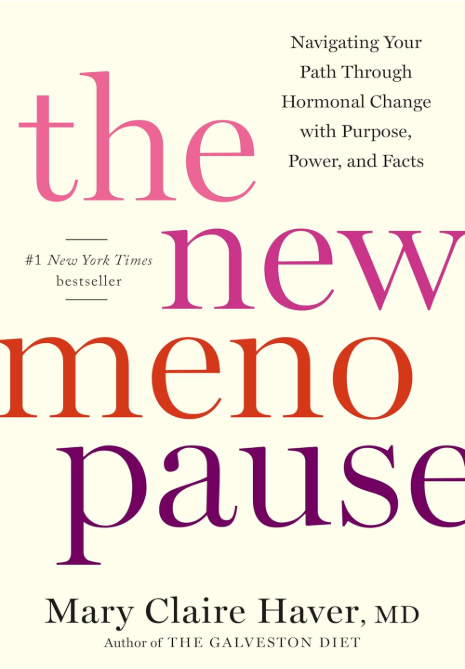
The New Menopause Book Cover

Go Deeper with the Definitive Guide to Menopause

Continue your journey with you, Dr. Haver's book, The New Menopause, is the essential resource you need next. It empowers you to navigate hormonal change with purpose, power, and facts, providing a comprehensive roadmap that goes far beyond the basics covered here. Inside, you'll find the detailed research, practical tools, and confidence-building knowledge to become your own best health advocate and truly thrive during this transformative stage of life.

Related Post

*The information provided on this site is for general informational and educational purposes only. All content, including articles, guides, and opinions, is not intended to be, and should not be taken as, professional advice.
*Podomline may earn a small commission if you buy through these links—at no extra cost to you. Thank you

Leave a Comment

Your email address will not be published. Required fields are marked *