The Ultimate Guide to Fasting: How Ancient Wisdom is Reversing Modern Disease

The Diary Of A CEO podcast with Dr. Alan Goldhamer  |  December 27, 2025

For decades, we’ve been told that managing chronic illness requires a lifetime of medication. But what if the most powerful treatment for conditions like hypertension, diabetes, and even cancer isn’t found in a pharmacy, but in our own biology? Groundbreaking research and clinical practice are revealing that fasting—the ancient practice of voluntary abstinence from food—may be the most effective intervention ever discovered for reversing chronic disease. This paradigm shift moves us from symptom management to addressing the root cause of inflammation and metabolic dysfunction, offering real hope for lasting recovery.

Dr. Alan Goldhammer, a pioneering physician with 40 years of clinical experience, has helped thousands eliminate medications and reclaim their health using medically supervised water-only fasting. In a world where 76% of people are overweight or obese, his work suggests we’ve ignored a fundamental healing tool: giving the body a complete rest from digestion so it can repair itself. His data provides compelling evidence that our bodies possess an innate, powerful capacity for self-healing when we simply get out of the way.

Woman drinking water in front of a window

What Happens to Your Body When You Fast? A Hour-by-Hour Physiological Journey

Fasting isn’t about starvation; it’s about triggering a sophisticated biological adaptation that humans evolved for survival. When you stop eating, your body undergoes a remarkable transformation. This process is a cascade of intelligent metabolic shifts, not a state of deprivation, each phase designed to protect vital organs and fuel essential functions by accessing stored energy reserves efficiently and intelligently.

The First 24 Hours: Your body runs on glucose from your last meal and glycogen stores in your liver and muscles. Insulin levels drop, and fat-burning begins to increase. Hormones like human growth hormone start to rise, signaling the body to preserve muscle tissue and begin the process of tapping into fat stores for future energy needs, setting the stage for deeper metabolic change.

24-48 Hours: Glycogen stores become depleted. Your body must now find an alternative fuel source for its biggest energy consumer: your brain. This triggers the metabolic switch to ketosis, where your liver begins converting fat into ketone bodies, primarily beta-hydroxybutyrate, which becomes the brain’s new primary fuel. This elegant switch is a survival masterpiece, allowing cognitive function to continue seamlessly even in the absence of dietary carbohydrates.

48+ Hours: With ketosis established, several profound processes accelerate:

  • Visceral fat mobilization: The body begins aggressively targeting inflammatory fat stored around organs.
  • Autophagy activation: Your cells initiate a “clean-up” process, recycling damaged components and senescent (aging) cells.
  • BDNF increase: Brain-Derived Neurotrophic Factor, a neuroprotective compound, rises significantly, protecting against cognitive decline.
  • Gut microbiome reset: Harmful bacteria populations decrease, creating an opportunity for healthier repopulation.

Key Takeaway: A 70 kg (154 lb) male has enough stored energy to fast safely for approximately 70 days because the brain efficiently switches from burning glucose to burning fat-derived ketones. This is an evolutionary adaptation that prevented starvation when food was scarce. This profound metabolic flexibility is what makes extended fasting not only possible but a potent therapeutic tool, fundamentally changing how we view the body’s fuel requirements and resilience.

The Physiological Timeline of a Extended Fast

Time FramePrimary Fuel SourceKey Physiological EventsHealth Benefits Triggered
0-12 HoursDietary Glucose & GlycogenInsulin drops, fat burning beginsReduced insulin resistance
12-24 HoursGlycogen StoresGlycogen depletion, ketone production startsGrowth hormone increase
24-48 HoursTransition to KetonesFull ketosis, autophagy initiatesCellular repair & cleansing begins
3-7 DaysKetones (Fat Metabolism)Heightened autophagy, visceral fat mobilizationSignificant reduction in inflammation
7+ DaysKetonesDeep systemic repair, microbiome resetResolution of chronic symptoms, disease reversal

Fasting vs. The Diseases of Kings: Reversing Chronic Illness

Dr. Goldhammer’s clinic, True North Health, uses water-only fasting (5-40 days) as a medical intervention. The results from published studies are staggering, challenging the conventional pharmaceutical-first approach to chronic disease and demonstrating that the body can often heal itself when given the correct conditions and a profound physiological rest from constant digestion.

  • Hypertension: In one study of 174 consecutive patients with high blood pressure, all 174 normalized their blood pressure without medication after a supervised fast. A year later, the majority maintained normal pressure. This outcome surpasses the efficacy of most drug trials, highlighting fasting’s power to address the cause, not just mask the symptom, by removing inflammatory visceral fat and resetting fluid balance.
  • Type 2 Diabetes: Fasting dramatically reduces insulin resistance—something no current medication can do. A significant percentage of type 2 diabetics achieve normal blood sugar levels off medication. This happens because fasting empties sugar stores and allows insulin receptors to regain sensitivity, effectively “resetting” a metabolic system overwhelmed by constant carbohydrate intake.
  • Autoimmune Diseases: Conditions like rheumatoid arthritis and lupus, often improve. The theory is that fasting allows the gut to heal, reducing “leaky gut” and the systemic inflammation that drives autoimmune responses. By providing digestive rest, fasting reduces the influx of potential triggers into the bloodstream, calming an overactive immune system.
  • Cancer Case Study: A compelling case published in the British Medical Journal involved a woman with follicular lymphoma. After a 21-day water fast, her tumors noticeably shrank. Following a strict plant-based diet afterward, she remained cancer-free for a decade. While not a “cure,” it demonstrates fasting’s powerful role in changing the body’s environment, making it less hospitable to cancer cell growth and proliferation.

Real-Life Example: A dentist with 16 years of constant daily headache pain from a traumatic brain injury underwent a 41-day fast. Her pain resolved significantly. After a second fast six months later, she has been headache-free for 12 years, showcasing fasting’s potential for repairing even long-standing neurological damage and chronic pain pathways.

Why does it work? Modern diseases—heart disease, diabetes, cancer, autoimmune disorders—were once rare “diseases of kings.” Today, they are epidemics caused by chronic dietary excess. Fasting undoes this excess by:

  1. Rapidly mobilizing visceral fat, the pro-inflammatory fat around organs that acts “like a tumor.”
  2. Triggering autophagy to clear out cellular debris.
  3. Resetting metabolic and hormonal pathways overloaded by constant food intake.

The Visceral Fat Advantage: Why Fasting Beats Diet & Exercise Alone

You can lose weight with diet and exercise, but fasting uniquely targets the most dangerous fat. Research using DEXA scans at True North shows that during a fast, the body prioritizes burning the fat that causes the most metabolic harm, a selective process that doesn’t occur to the same degree with standard calorie restriction or even vigorous exercise regimens alone.

  • Patients lose ~10% of total body weight.
  • They lose 20% of total body fat.
  • Crucially, they lose 40% of their visceral fat.

Even during refeeding, while weight on the scale may increase due to water and glycogen replenishment, fat loss continues and lean mass is recovered. Six weeks post-fast, patients often have a higher percentage of lean mass than before they started. This body recomposition—losing more fat than muscle—is a key therapeutic advantage for improving metabolic health and reducing disease risk factors long-term.

Fasting vs. Other Popular Diets & Interventions

AspectWater-Only FastingKetogenic DietIntermittent FastingCalorie-Restricted Diet
Primary MechanismComplete digestive rest & metabolic switchingDietary ketosis via high fat/low carbTime-restricted feeding windowSustained calorie deficit
Visceral Fat LossExtremely Efficient – Primary targetEfficientModerateSlow & proportional
AutophagyVery HighModerateLow to ModerateLow
Practical DifficultyHigh (requires rest & often supervision)Moderate (dietary restrictions)LowModerate (constant restriction)
Best ForMedical intervention, disease reversal, major resetCognitive focus, weight loss, metabolic flexibilityWeight maintenance, daily routineSteady, sustainable weight loss
Key RiskRequires medical supervision for extended fastsNutrient deficiencies, high saturated fat intakeMinimalMetabolic adaptation, hunger

Practical Fasting Protocols: From Daily Habits to Medical Intervention

Not everyone needs a 40-day fast. Dr. Goldhammer recommends a tiered approach, allowing individuals to start safely and scale their practice based on personal health goals, experience, and any underlying medical conditions that require professional oversight and monitoring for optimal safety and results.

  1. For Everyone (Daily): Fast for 12 hours every day. Finish eating 3-4 hours before bed. This simple habit aligns with circadian rhythms and aids metabolic health by giving your digestive system and liver a regular, prolonged break overnight to focus on repair and detoxification processes rather than digestion.
  2. For Health Maintenance (Annual): Consider a 5-10 day fast once a year. This acts as a profound “system reboot,” recalibrating taste buds, resetting the gut microbiome, and enhancing cognitive function. It can serve as a powerful annual reset to clear inflammatory markers, promote autophagy, and reinforce healthy dietary habits by reducing cravings for processed foods.
  3. For Disease Reversal (Medical Supervision): A 2-4 week (or longer) medically supervised water-only fast. This is for those with diagnosed conditions like hypertension, type 2 diabetes, or autoimmune disorders. It is conducted in a controlled environment with monitoring of electrolytes and vital signs. This level of intervention is a potent medical therapy designed to produce significant, rapid physiological change and should never be attempted casually or without expert guidance.

Critical Safety Tip: Never attempt an extended water fast (over 48-72 hours) without proper medical supervision and a plan for refeeding. Improper refeeding can lead to “refeeding syndrome,” a potentially fatal shift in fluids and electrolytes. Supervision ensures safety, monitors vital biomarkers, and provides support to manage the psychological and physical aspects of a prolonged fast.

The Gut-Brain Connection: How Fasting Resets More Than Your Weight

One of the most exciting areas of research is fasting’s impact on the gut microbiome and mental health. A 2024 study found that a 7-day water fast reduced harmful Fusobacteria by over 80%. This drastic shift creates a “clean slate” effect in the gut, allowing for beneficial bacteria to repopulate during the refeeding phase, especially when nourished with high-fiber, whole plant foods that act as prebiotics.

“The gut is your second brain,” explains Dr. Goldhammer. “About 90-95% of your serotonin and dopamine is produced in the gut. When you fast and then refeed on healthy foods, you’re not just healing your body; you’re reprogramming your microbiome, which directly impacts mood, anxiety, and depression.” This biochemical connection explains why many report not just physical, but significant mental and emotional clarity after a fast, often describing a lifting of “brain fog” and improved emotional resilience.

This explains why people often report enhanced mental clarity, improved mood, and a shift in their relationship with food after a fast. It breaks the cycle of dopamine-driven eating triggered by salt, oil, and sugar (SOS). By withdrawing these hyper-stimulating foods, the brain’s reward pathways recalibrate, making natural, whole foods taste more appealing and satisfying, which is foundational for long-term dietary change.

Who Should Fast? A Guide for Different Personas

  • The “Healthy” Person: You likely still have room for improvement. Annual shorter fasts can reduce inflammatory markers, optimize body composition, and serve as a powerful preventive tool and mental reset. Even those with “normal” biomarkers can often lower cholesterol, reduce blood pressure further, and decrease visceral fat, moving from average to optimal health.
  • The Weight-Loss Seeker: Fasting provides rapid results and targets stubborn visceral fat. A good rule of thumb: expect to lose about 1 pound per day during a water fast. The key is the post-fast lifestyle to maintain it. Fasting can also help break through plateaus and reset hunger hormones like ghrelin, making subsequent calorie control easier and more intuitive.
  • The Chronically Ill Patient: If you have hypertension, type 2 diabetes, PCOS, or an autoimmune condition, supervised fasting can be a transformative intervention to reduce or eliminate medication and address root causes. Consult with a knowledgeable physician first. It offers a path to potentially reverse the drivers of your condition, not just manage its symptoms with lifelong pharmaceuticals.
  • The PCOS Sufferer: Fasting has shown remarkable results in normalizing menstrual cycles and hormones, likely by improving insulin resistance and aiding the liver’s processing of excess estradiol. By lowering insulin levels, fasting reduces the ovarian stimulation that leads to excess androgen production and cyst formation, addressing a core hormonal dysfunction in PCOS.

The Golden Rule: Refeeding is as Important as Fasting

The fast doesn’t end when you start eating. Refeeding is a critical phase that takes about half the length of the fast. A typical protocol after a multi-day fast starts with a gradual reintroduction of foods to gently wake up the digestive system, prevent shocking the metabolism, and strategically guide the repopulation of the gut microbiome for lasting health benefits.

  • Days 1-3: Fresh fruit and vegetable juices (no fiber).
  • Following Days: Introduction of raw fruits and vegetables, then steamed vegetables and starches.
  • Goal: Transition to a whole plant food, SOS-free (no salt, oil, sugar) diet to sustain the benefits.

This careful process prevents edema and refeeding syndrome and helps establish a new, health-promoting microbiome. The foods chosen during refeeding directly influence which gut bacteria thrive, making this window a unique opportunity to cultivate a microbiome that supports, rather than undermines, your health goals and newly achieved metabolic improvements.

Final Takeaways: Is Fasting the Missing Link in Modern Healthcare?

Dr. Goldhammer’s four decades of work challenge a core modern belief: “The biggest lie is that health comes from pills, potions, and powders instead of healthful living.” His clinical evidence positions fasting not as a fringe alternative, but as a first-line therapeutic strategy for metabolic disease, offering a chance to reset the body’s physiology to a healthier baseline from which sustainable lifestyle changes can truly take hold.

Fasting is not a magic cure, but a powerful tool that allows the body to do what it does best: heal itself. It works by:

  • Eliminating the constant oxidative damage and inflammation caused by dietary excess.
  • Forcing the body to consume its own inflammatory fat stores.
  • Activating ancient cellular repair pathways like autophagy.

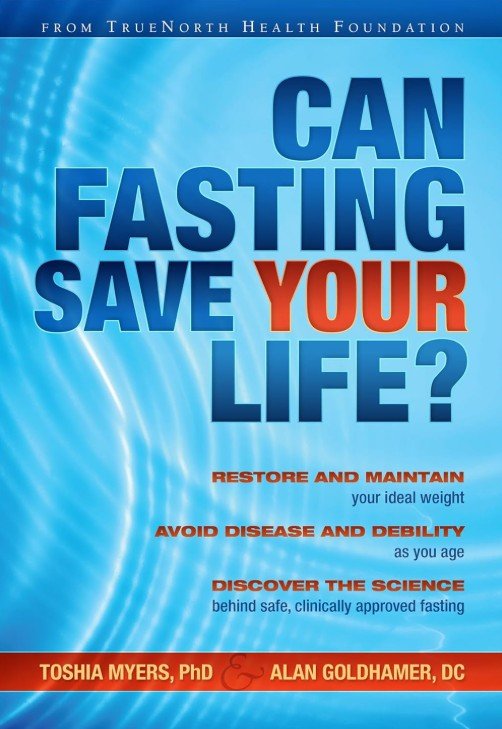
Before you start: For any fast over 24-48 hours, seek guidance. Read resources like Can Fasting Save Your Life, and consider professional consultation. The journey of fasting is ultimately about more than weight loss—it’s about reclaiming agency over your health, resetting your biological systems, and discovering that within the challenge of restraint lies a profound capacity for renewal, resilience, and a restored relationship with food and your own body’s innate wisdom.


Can Fasting Save Your Life Book Cover

Can Fasting Save Your Life?

Learn even more about the different types of intermittent and prolonged fasts, and get in-depth coverage on how fasting reverses metabolic disorders, hypertension, and obesity, and evidence on the safety of fasting

Related Post

Leave a Comment

Your email address will not be published. Required fields are marked *