
The Best Kept Weight Loss Secret (It's Not Calories)

The On Purpose Podcast with Dr. Mindy Pelz  |  February 25, 2026

You’re doing everything right. Eating “healthy.” Exercising regularly. Maybe even trying intermittent fasting. Yet that stubborn belly fat won’t budge.

What if the problem isn’t your willpower—but your approach?

The conventional weight loss playbook treats your body like a simple machine: eat less, move more, burn fat. But your body isn’t a machine. It’s a living, communicating system with its own intelligence. And right now, it might be working against you for reasons that have nothing to do with calories.

The truth about weight loss isn’t complicated. But it does require understanding how your body actually works—and why it’s holding onto fat in the first place.

Why Your Body Stores Fat (It’s Not What You Think)

Before you can lose fat, you need to understand why your body gains it. This isn’t about blame or shame. It’s about biology.

Your body has one primary job: keep you alive. When faced with excess—excess glucose, excess hormones, excess toxins—it doesn’t panic. It adapts. And it stores that excess in the safest place possible: your fat cells.

young fit woman in holding a hula hoop loosing weight

Think of belly fat not as an enemy, but as a storage unit your body created to protect your vital organs. Your heart, lungs, and liver can’t handle toxic overload. So your body tucks those excesses away in your midsection.

Here’s what your body is actually storing:

Storage TypeSourceWhy It Matters
Excess GlucoseRefined carbs, sugar, processed foodsConverts to fat via insulin
Excess HormonesStress, poor sleep, environmental disruptorsCreates hormonal chaos
Excess ToxinsPesticides, plastics, skincare chemicals, obesogensReprograms cells to store more fat

This isn’t theory. It’s protective biology. And once you understand it, you can stop fighting your body and start working with it.

The #1 Mistake People Make While Fasting

Fasting has become a cultural phenomenon—and for good reason. When done correctly, it’s one of the most powerful tools for metabolic health and fat loss.

But there’s a catch.

The biggest mistake? Doing the same fast, the same way, every single day.

Whether it’s 16:8, OMAD (one meal a day), or any other rigid schedule, repeating the exact same pattern trains your body to adapt. And adaptation is the enemy of progress.

Here’s what happens biologically:

When you first restrict your eating window, your body responds. It dips into fat stores for energy. But if you repeat that same pattern daily—eating at the same times, fasting the same duration—your body gets smart. It learns: “Food is scarce. I need to slow metabolism to survive.”

This is called hormetic adaptation. The very stressor that initially triggered fat loss becomes neutralized through repetition.

The Solution: Feast-Famine Cycling

Your ancestors didn’t eat the same way every day. Some days they feasted after a successful hunt. Other days they ate nothing at all. Your body evolved for variability.

The fix is simple: vary your fasting lengths and eating windows.

Day TypeFasting WindowEating WindowPurpose
Standard Day14-16 hours8-10 hoursBaseline metabolic flexibility
Feast Day12 hours12 hoursSocial flexibility, hormone support
Famine Day18-24 hours0-6 hoursDeep ketosis, cellular cleanup

This variability keeps your body guessing—and burning.

How to Structure Your Eating Window (Without Overthinking It)

You don’t need a PhD in nutrition to make this work. You need a system that fits your life.

Step 1: Start with Your Lifestyle

Your eating schedule should serve your life, not the other way around.

Ask yourself:

  • When is my most important social meal? (For most families, it’s dinner)
  • When do I need energy for workouts?
  • When am I least hungry?

Example: The Soccer Mom Schedule

  • Monday–Friday: Eating window 12pm–8pm (skip breakfast, enjoy family dinner)
  • Saturday: Move window earlier for brunch with friends (10am–6pm)
  • Sunday: Back to normal or adjust based on activities

This isn’t complicated. It’s customizable.

Step 2: Eat in the Light

One rule applies to everyone: eat in the light, not in the dark.

Your body releases melatonin as evening approaches. Melatonin makes you more insulin resistant. Eating late means your body stores more of those calories as fat.

Meal TimeMetabolic Impact
Early dinner (before sunset)Better insulin sensitivity
Late dinner (after dark)Higher fat storage
Midnight snackMaximum fat storage, disrupted sleep

Aim to finish your last meal at least 3-4 hours before bedtime.

Step 3: Match Fasting to Your Cycle (For Women)

Women’s hormones follow a monthly rhythm. Your fasting approach should too.

Cycle PhaseBest Approach
Follicular (Days 1-14)Longer fasts, lower carb
Luteal (Days 15-28)Shorter fasts, higher carb

This isn’t optional for women who want sustainable results. It’s essential.

The Truth About Belly Fat and Stress

You’ve heard it before: stress causes belly fat. But do you know why?

Cortisol—your primary stress hormone—was designed to help you escape immediate danger. When a tiger chases you, cortisol mobilizes energy so you can run.

The problem? Modern stress doesn’t involve tigers. It involves emails, traffic, deadlines, and relationship tension. Your body still releases cortisol, but you don’t run. You sit.

And when cortisol stays elevated without physical release, it signals your body to store fat—specifically in your midsection.

How to Lower Cortisol (Without Becoming a Monk)

You don’t need a meditation retreat. You need movement.

Stress TriggerWorst ResponseBest Response
Heated emailStay seated, stewStand up, walk
Work deadlineSkip lunch, grind5-minute stretch break
Argument with partnerReplay conversationGo outside, move

Cortisol was meant to make you move. So move.

The Hidden Driver of Weight Gain: Toxins

This is the part most weight loss advice ignores entirely.

We live in the most toxic era in human history. The average woman applies over 200 chemicals to her skin daily. Our food is wrapped in plastics containing obesogens—chemicals that literally reprogram your stem cells to create more fat cells.

What are obesogens?

  • BPA and other plastics
  • Pesticides
  • Artificial colors and flavors
  • BHT, BHA (preservatives)
  • Phthalates (in fragrances)

These chemicals don’t just add calories. They change your biology at the cellular level.

The Two-Week Detox Protocol

You can’t avoid all toxins. But you can dramatically reduce your load.

AreaActionBenefit
FoodEat without labels (farmer’s market produce, known meat sources)Eliminates pesticide and additive load
SkincareSwitch to fragrance-free, clean brandsReduces dermal absorption by 90%
WaterUse glass or stainless steelAvoids plastic leaching
HomeDust and vacuum with HEPA filterReduces indoor toxin accumulation

Two weeks of this and most people notice:

  • Less bloating
  • Clearer skin
  • Better sleep
  • Reduced cravings

Protein: The Hero Macronutrient

Every expert agrees on this one point: protein is non-negotiable.

But how much do you actually need?

The Simple Formula

For muscle gain and fat loss: 1.6–2.2 grams per kilogram of target body weight

Your Goal WeightProtein Target (grams)
60 kg (132 lbs)96–132 g
70 kg (154 lbs)112–154 g
80 kg (176 lbs)128–176 g
90 kg (198 lbs)144–198 g

But here’s the practical truth: Most people don’t need to count grams. They need to prioritize protein at every meal.

At breakfast? Add eggs or collagen. At lunch? Make protein the centerpiece. At dinner? Build vegetables and carbs around your protein source, not the other way around.

The Microbiome Connection: Who’s Really in Control?

That voice in your head screaming for sugar? It might not be yours.

Trillions of bacteria live in your gut. They want to survive. And they send signals to your brain—powerful signals—to feed them what they need.

If you’ve been eating processed foods, sugar, and refined carbs, your microbiome is dominated by species that thrive on those foods. They literally manipulate your cravings.

But the conversation doesn’t stop with weight loss. The health of your gut is the command center for your entire body, influencing everything from your immune system to your mood. If you want to understand the science of how a healthy microbiome can balance your immune response, reduce inflammation, and even impact the effectiveness of life-saving treatments, you need to read our deep dive: The Gut-Immune Connection: The Truth About Microbiome and Immune System.

How to Starve the Bad Microbes

There’s only one way: stop feeding them.

PhaseActionResult
Week 1-2Eliminate processed sugar and refined carbsCravings intensify (dying microbes fight back)
Week 3-4Maintain, add fermented foodsCravings decrease, new microbes emerge
Week 5+Introduce varied plant fibersDiverse, healthy microbiome dominates

This is why fasting works beyond calorie restriction. It starves the very organisms driving your cravings.

When Fat Makes You Fat (And When It Doesn’t)

Not all fat is created equal. Some fats heal. Some fats harm.

Toxic Fats to Avoid

  • Canola oil
  • Cottonseed oil
  • Corn oil
  • Soybean oil
  • Partially hydrogenated oils
  • Vegetable oils
  • Highly processed sunflower/safflower oils

These are industrial products, not food. Your body doesn’t know what to do with them, so it stores them—around your belly.

Healing Fats to Embrace

  • Olive oil (especially extra virgin)
  • Avocado oil
  • MCT oil
  • Walnut oil
  • Sesame oil
  • Grass-fed butter/ghee

These fats:

  • Kill hunger
  • Stabilize blood sugar
  • Nourish your brain
  • Support hormone production

Pro tip: Drizzle olive oil on your meals. It stabilizes blood sugar for hours afterward and kills late-night cravings before they start.

Your Personalized Action Plan

Stop guessing. Start doing.

Week 1: Foundation

  • Push breakfast back by 1 hour
  • Add protein to every meal
  • Ditch one source of toxic fat

Week 2: Build

  • Extend morning fast another hour
  • Add olive oil to lunch and dinner
  • Replace one processed snack with whole food

Week 3: Expand

  • Vary one fasting window (longer or shorter than usual)
  • Try one new vegetable
  • Swap one personal care product for clean version

Week 4: Evaluate

  • How do you feel?
  • How have cravings changed?
  • What’s working? What needs adjustment?

The Bottom Line

Your body isn’t broken. It’s been protecting you.

The weight you want to lose isn’t evidence of failure. It’s evidence that your body has been doing exactly what it was designed to do: store excess to keep you alive.

But now you know the truth. And with that knowledge comes the power to change.

Work with your body. Honor its intelligence. Give it what it actually needs—variety, whole foods, movement, and rest.

The results will follow.

What’s Coming Next

You now understand why your body stores fat and how to work with its natural rhythms. But there’s one critical piece of the puzzle we haven’t touched yet—the master hormone that runs your entire system.

In How to Lose Menopause Belly Fat (The Science-Backed Way), you’ll discover what happens when this hormone declines, why everything you’ve been taught about “aging” might be wrong, and the simple steps you can take to feel like yourself again.

This is especially crucial if you’re a woman over 35 and have noticed changes that no one prepared you for.

Read Part 2: How to Lose Menopause Belly Fat (The Science-Backed Way) → (coming soon)


The Complete Series

This is Part 1 of a 4 part series presenting the four pillars of sustainable weight loss:

Part 1: Why your body stores fat and how to work with your hormones

Part 2: The menopause connection and how estrogen changes everything (coming soon)

Part 3: The truth about calories and insulin (coming soon)

Part 4: The practical guide to protein, plateaus, and making it work in real life (coming soon)

Bookmark this series. Share it with someone who needs it. And remember: the best diet is the one you can sustain. The best results are the ones that last.

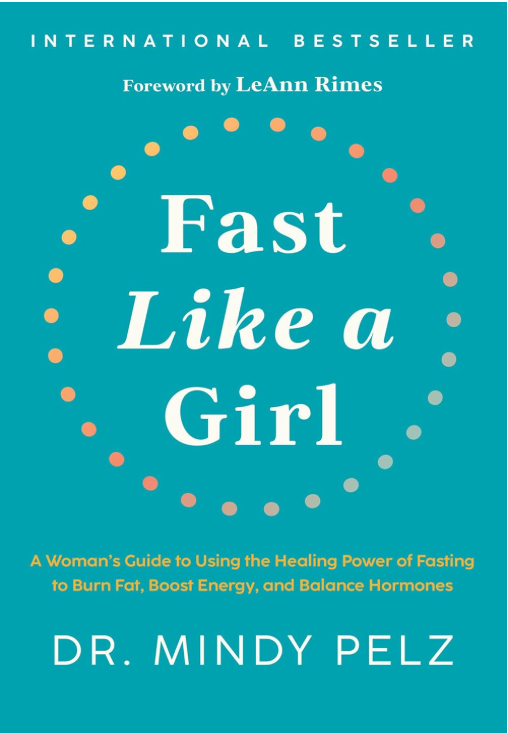
Fast Like a Girl Book Cover

Go Deeper with the Complete 30-Day Fasting Reset

If this article resonated with you, it's just a glimpse of what Dr. Mindy Pelz teaches. Her book, Fast Like a Girl, is the complete manual, providing a step-by-step 30-day fasting reset designed specifically to work with your hormones, not against them. Inside, you'll find detailed protocols, over 50 recipes for her "ketobiotic" and "hormone feasting" food plans, and the exact tools she's used to help hundreds of thousands of women reclaim their health and become, in her words, "unstoppable."

Related Post

*The information provided on this site is for general informational and educational purposes only. All content, including articles, guides, and opinions, is not intended to be, and should not be taken as, professional advice.
*Podomline may earn a small commission if you buy through these links—at no extra cost to you. Thank you

Leave a Comment

Your email address will not be published. Required fields are marked *