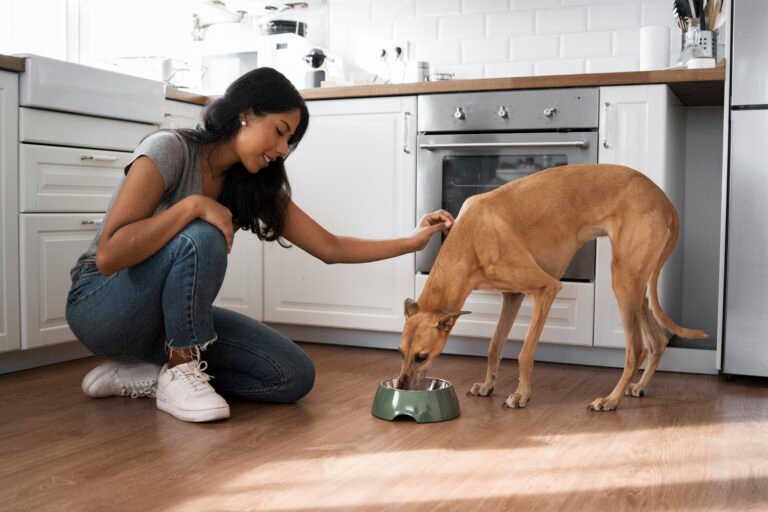
How to Extend Your Dog's Health Span (The Proactive Way)
The No Bad Dogs Podcast with Dr. Kris Dallas | January 29, 2026
You want your dog to live a long, healthy life, but the advice is overwhelming. Conventional vets may push annual shots and prescription kibble, while holistic circles warn of toxins and push radical diets. This leaves you stuck in the middle, unsure which path truly prevents disease and promotes longevity without going to extremes. The issue isn’t a lack of options—it’s the absence of a balanced, evidence-informed framework that prioritizes prevention and respects both medical paradigms.
This is the core promise of integrative veterinary medicine. It merges the diagnostic precision of Western science with the preventative, whole-body wisdom of Eastern and holistic practices to create a personalized health plan. Based on a deep-dive podcast with Dr. Chris Dallas, an integrative vet with over 20 years of experience, this guide translates her practical insights into five actionable strategies. You’ll learn how to make empowered decisions about vaccinations, nutrition, and complementary therapies that work synergistically for your dog’s unique needs.
What is the first step toward proactive, integrative dog care?
Answer: The foundational step is shifting from a reactive mindset to a proactive partnership with your vet. Initiate a conversation about creating a baseline of health through annual wellness bloodwork and discussing a preventative schedule for core care, including diet evaluation and appropriate vaccine protocols, rather than waiting for symptoms to appear.

1. Vaccine Strategy: Use Titer Testing to Avoid Over-Vaccination
Managing your dog’s vaccinations is one of the clearest ways to practice personalized, preventative medicine. Titer testing measures antibody levels in the blood, revealing whether your dog is still protected from diseases like parvovirus and distemper, potentially eliminating unnecessary booster shots.
The Common Mistake: Following a rigid calendar for booster shots without verifying if immunity still exists. This one-size-fits-all approach can overburden some dogs’ immune systems, particularly those with sensitivities or autoimmune conditions, without providing any medical benefit.
The Integrative Insight & Data: Groundbreaking work by veterinary immunologist Dr. Ron Schultz demonstrates that core viral vaccines often confer long-lasting immunity, frequently for seven years or a lifetime. Dr. Dallas’s clinical experience reinforces this: “I’m noticing that around the age of eight or nine, the distemper titer has dropped… but the titers for Parvo are through the roof their whole life.” This data shows immunity is individual and disease-specific.
Practical Framework: A Proactive Titer Testing Schedule
| Life Stage | Recommended Action | Clinical Purpose & Benefit |
|---|---|---|
| After Puppy Series (~16-20 weeks) | Initial Titer Test | Confirms the puppy vaccines successfully stimulated immunity. Provides peace of mind and a baseline. |
| At 1 Year Old | Follow-up Titer Check | Assesses the durability of the initial immune response. A low titer may indicate need for a single booster. |
| Every 3 Years (Adult) | Regular Titer Monitoring | Replaces automatic boosters with data-driven care. Ensures protection without unnecessary shots. |
| Senior Years (8+) | Close Monitoring & Strategic Boosting | Distemper immunity often wanes; a pre-emptive booster can protect them before age-related decline weakens their system. |
Key Rule: Always partner with your veterinarian on this. While rabies titers are invaluable for travel documentation, they are not legally accepted in lieu of vaccination in the U.S. due to public health policy. For core diseases, a protective titer is strong evidence of immunity.
2. Nutritional Foundation: Prioritize Whole, Minimally Processed Foods
The intense debate over raw versus kibble often obscures the most important principle: the quality and processing of ingredients matter more than any single diet dogma. The goal is to feed a species-appropriate, nutrient-dense diet that supports cellular health and reduces inflammatory triggers.
The Pervasive Myth: “If my dog isn’t visibly sick, their diet is fine.” Many low-grade chronic issues—like intermittent itching, ear infections, dull coat, and excessive shedding—are dietary in origin. Dr. Dallas observes, “I see a lot of dogs who are being held back by their kibble,” noting transformations in energy and condition when dogs switch to whole foods.
The Overlooked Insight: Benefits extend beyond shiny coats. Owners report dramatic improvements in mobility for arthritic seniors, and Dr. Dallas has seen benign lipomas (fatty tumors) reduce in size after eliminating processed foods. The anti-inflammatory effect of a clean, whole-food diet is a powerful, underutilized tool for longevity.
Comparison: The Spectrum of Dog Food Processing & Impact
| Aspect | Highly Processed Kibble | Minimally Processed (Raw, Cooked, Dehydrated) |
|---|---|---|
| Processing Method | Extruded under high heat/pressure; synthetic vitamins added post-processing to meet standards. | Gently cooked, freeze-dried, or served raw; nutrients are naturally bioavailable from whole ingredients. |
| Ingredient Integrity | Can include anonymous meals, by-products, and carbohydrate fillers like corn/wheat. | Focuses on named, human-grade muscle meats, organs, bones, and low-glycemic vegetables/fruits. |
| Digestibility & Output | Lower digestibility leads to larger, softer, and much smellier stool, indicating more waste. | High digestibility results in small, firm, low-odor stool, meaning more nutrition is absorbed. |
| Dental Health Impact | Starchy kibble can adhere to teeth and promote plaque; does not clean teeth. | Raw meaty bones and textured foods provide natural abrasive action that helps clean teeth. |
| Long-Term Health Cost | Upfront cost may be lower, but potential for higher long-term vet bills due to diet-related inflammation. | Higher upfront cost is an investment in preventative health, potentially reducing chronic disease risk. |
Practical First Step: If a full switch feels daunting, begin by replacing 25% of your dog’s kibble with a high-quality, gently cooked or freeze-dried whole food topper. This immediately increases nutrient density and allows you to observe positive changes before committing fully.
3. Strategic Supplementation: Address Modern Nutritional Gaps
Even the best diet may have gaps due to depleted soils and modern living. Targeted, high-quality supplementation isn’t optional “extra” care; it’s a critical component of filling those gaps and supporting optimal biological function, much like it is for health-conscious humans.
Why Our Food Isn’t Enough Anymore: Dr. Dallas shared a personal story that changed her view: despite eating organic, homegrown produce, she was diagnostically depleted in key minerals, leading to hypothyroidism. This stark reality applies to our pets’ food sources as well. A multivitamin-mineral blend used a few times a week can serve as a valuable insurance policy.
Two Non-Negotiable, Often-Deficient Supplements:
- Vitamin D3: Crucial for immune regulation and cancer prevention, dogs are poor converters of sunlight to D3. Deficiency is rampant. Action: Discuss a 25-hydroxyvitamin D blood test with your vet. Supplementation is highly effective but must be dosed accurately based on weight and test results.
- Omega-3 Fatty Acids (EPA/DHA): Our dogs’ diets are disproportionately high in inflammatory Omega-6s. A quality fish oil rebalances this ratio, directly supporting brain, joint, skin, and heart health. Action: Start with half the dose for a week to avoid GI upset. Choose a brand like Nordic Naturals that uses molecular distillation for purity and has the NASC seal.
Bold Consumer Warning: The pet supplement market is largely unregulated. The NASC (National Animal Supplement Council) Quality Seal is the only independent verification that a product contains what its label claims and is free from harmful contaminants. This seal is your primary filter when shopping.
4. Proactive Integration: Deploy Holistic Therapies Early
The conventional model uses acupuncture or herbs as a last resort when drugs fail. The integrative model is proactive: these therapies are most powerful when used early to maintain balance, prevent decline, and manage chronic conditions with fewer side effects.
Acupuncture Beyond Pain Relief: While excellent for arthritis, its greater value for aging dogs may be in sustaining neurologic function and vitality. Dr. Dallas notes that regular treatments help older dogs maintain strength and coordination, often allowing them to navigate stairs and jump into cars longer. “I know they live better and they live longer with regular acupuncture treatments,” she states, based on decades of clinical outcomes.
Herbal Medicine for Systemic Support: Herbal formulas excel where Western drugs often struggle: managing the root of chronic issues. They can modulate the immune system in allergic dogs, support detoxification pathways for dogs on medication, and gently regulate digestion without disrupting the microbiome, offering a nuanced tool for complex, long-term health challenges.
The Integrative Decision Matrix: When to Choose Which Tool
- Immediately Deploy Western Medicine: For diagnostic crises (e.g., x-rays for a limp), acute infections, surgical emergencies, and managing dangerous diseases like Lyme or pancreatitis. Its strength is in acute care and diagnostics.
- Integrate Holistic Modalities Proactively: For managing osteoarthritis, cognitive decline, anxiety, allergies, autoimmune conditions, and as supportive care during cancer treatment. Their strength is in enhancing quality of life, restoring balance, and preventing minor issues from becoming major ones.
5. The Socialization Imperative: Navigate Health Risks Without Sacrificing Behavior
The well-intentioned advice to “keep your puppy isolated until fully vaccinated” sets up a tragic conflict between physical health and behavioral health. Missing the critical socialization window can create lifelong fear, anxiety, and reactivity, which are themselves profound welfare issues.
The Biological Window is Non-Negotiable: Veterinary behaviorists emphasize that the primary socialization period closes around 14-16 weeks of age. This is when puppies are most receptive to forming positive associations with new people, animals, sounds, and environments. After this window, it becomes exponentially harder to build confidence.
The Balanced, Risk-Managed Protocol:
- Trust Maternal Immunity: Puppies are protected by antibodies from their mother’s first milk (colostrum) for their first several weeks of life. This is nature’s first vaccine.
- Practice Risk-Conscious Socialization: AVOID high-risk areas like dog parks, pet stores, and public sidewalks until after the final puppy shot. DO safely expose your puppy by: carrying them in a sling in busy areas, hosting playdates with known, healthy/vaccinated dogs, and introducing various household stimuli (vacuum, umbrellas, different flooring).
- Prioritize Based on Breed & Temperament: For guarding breeds or genetically predisposed shy dogs, positive early experiences are critical for public safety and the dog’s wellbeing. The behavioral risk of under-socialization often far outweighs the managed medical risk of sensible, controlled exposure.
Key Takeaways
- Embrace Data-Driven Care: Advocate for titer testing to create a personalized vaccine protocol, moving away from a one-size-fits-all calendar and preventing unnecessary immune stress.
- View Food as Medicine: Shift your focus from diet debates to ingredient quality. Prioritize whole, minimally processed foods to reduce systemic inflammation and provide foundational wellness.
- Supplement with Precision: Don’t guess—test for common deficiencies like Vitamin D. Invest in high-quality, NASC-certified supplements like Omega-3s to address gaps that even good diets may have.
- Use Holistic Tools Preventatively: Integrate acupuncture and herbal medicine into your dog’s wellness plan early to maintain balance, support aging, and manage chronic issues, reducing reliance on pharmaceuticals later.
- Socialize Strategically & Early: Protect your puppy’s future temperament by providing safe, positive exposures during their critical developmental window, using common sense to mitigate health risks without sacrificing behavioral development.
Building a long, vibrant life for your dog is a conscious, daily practice of informed choices. Start by selecting one strategy that resonates most—perhaps scheduling a wellness blood panel or researching a better food—and implement it this month. By thoughtfully blending the precision of science with the wisdom of holistic care, you become the architect of your dog’s health span, ensuring more quality years filled with vitality and joy.
While exploring comprehensive approaches to canine wellness, it’s important to consider the foundational role of gut health. A detailed resource like the Ultimate Guide to Dog Gut Health delves into the intricate connection between diet, probiotics, and the microbiome. This guide is an excellent next step for any owner looking to understand how a raw or minimally processed diet directly influences digestive balance, and offers practical tips on selecting probiotics and prebiotics to support a resilient gut, which we now know is central to everything from immunity to behavior.
Related Post