
Trump’s 2026 Iran Warning Ignites Fears of New Conflict Amid Global Tensions
Daniel Davis / Deep Dive with John Mearsheimer | January 14, 2026
In a dramatic New Year’s statement, former President Donald Trump declared the United States “locked and loaded” against Iran, vowing retaliation if the Iranian government “shoots and violently kills peaceful protesters.” This bold threat, issued on January 2, 2026, marks a significant escalation in rhetoric and raises urgent questions about American strategy in the Middle East and the potential for renewed conflict. The statement, delivered via social media, immediately sparked international concern, with analysts scrambling to decode its intent amidst ongoing regional instability. The warning specifically ties U.S. military action to Iran’s internal protests, framing intervention as a matter of defending human rights, a move that could set a contentious new precedent for American foreign policy. This development comes as the world grapples with the lingering fallout from multiple unresolved conflicts, placing the volatile U.S.-Iran relationship back in the global spotlight.
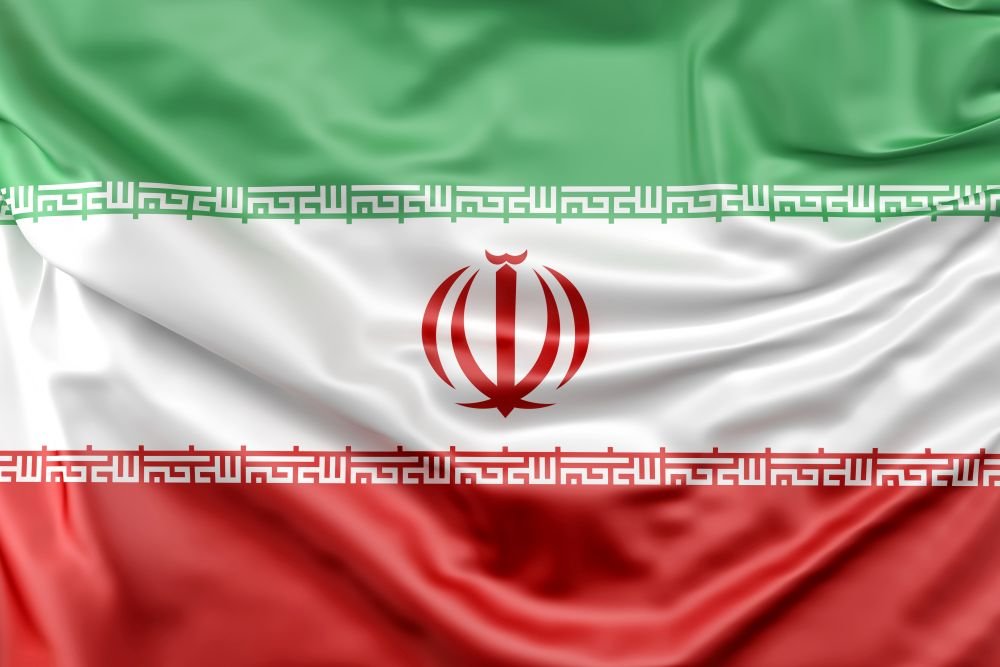
The warning comes just days after Trump met with Israeli Prime Minister Benjamin Netanyahu at Mar-a-Lago, where he asserted, “If [Iran] is trying to build up again, we’re going to have to knock them down.” However, international relations experts caution that this may be more about political posture than actionable policy. The meeting with Netanyahu is seen as a key influence, highlighting the powerful role of the Israel lobby in shaping U.S. actions. Experts point out that Trump’s language mirrors long-standing Israeli security concerns regarding Iran’s nuclear and ballistic missile programs. This alignment suggests a coordinated front against Tehran, but raises questions about whether U.S. interests are being prioritized or subordinated to those of an ally, potentially drawing America into a conflict with limited national strategic benefit.
Key Takeaway: Trump’s latest warning underscores a pattern of aggressive foreign policy rhetoric, though experts suggest his actions have often been limited to symbolic military gestures rather than sustained engagement.
A Pattern of “Tough Talk” with Limited Action
According to Professor John Mearsheimer, an International Relations theorist at the University of Chicago, Trump’s approach is defined by a desire to appear strong while avoiding another prolonged war. “Trump’s basic modus operandi is to talk tough but use a little stick,” Mearsheimer explained in a recent interview. He pointed to previous U.S. strikes in Nigeria and Iran in 2025, which were largely inconsequential. “He lobbed a few missiles into a field… It looks good, but it doesn’t change conditions on the ground.” Mearsheimer argues this strategy is designed for domestic political consumption, creating an image of decisive strength for his base without the costly entanglement of a “forever war.” This calculated ambiguity, however, creates a dangerous scenario where adversaries might misinterpret red lines, potentially leading to unintended escalation despite the intention to avoid major conflict.
This sentiment is echoed in a recent Military Times report detailing a “Year of Strikes” under Trump, showcasing military operations in Somalia, Iraq, Yemen, Iran, Nigeria, and the Caribbean. Yet, critics argue these actions have done little to restore U.S. deterrence or achieve lasting strategic goals. The report chronicles a surge in kinetic activity, but a closer look reveals most operations were isolated, with minimal long-term impact on the geopolitical landscape. For instance, the much-publicized armada in the Caribbean failed to achieve its stated goal of regime change in Venezuela. This disparity between military activity and tangible outcomes suggests a foreign policy driven more by the appearance of action than by a coherent, strategic plan, leaving global hotspots unresolved and adversaries unconvinced of American resolve.
Key Takeaway: Despite a surge in military operations, analysts question the effectiveness of Trump’s foreign policy, describing many actions as “pinpricks” that fail to address core geopolitical challenges.
Broken Trust and Global Diplomacy
Trump’s credibility as a negotiating partner has also come under intense scrutiny. In June 2025, the U.S. appeared engaged in nuclear talks with Iran, only to launch strikes days later. “It sends a very clear signal to all our adversaries that you can’t trust the United States,” Mearsheimer stated, referencing similar issues with Russia and Hamas negotiations. This erosion of trust complicates current efforts to de-escalate tensions, as global leaders increasingly demand written agreements over verbal assurances. The abrupt shift from diplomacy to bombardment exemplifies a pattern that leaves allies and foes alike uncertain of American commitments, forcing nations like Ukraine to seek security guarantees ratified by Congress rather than relying on executive promises.
The breakdown extends to historic blunders, such as the expansion of NATO after assurances to the contrary, which Mearsheimer cites as a root cause of the Ukraine conflict. “The great mistake was not to get it in writing,” he notes, highlighting how broken verbal promises have lasting consequences. Today, this legacy of unreliability hampers diplomacy across the board, from ceasefire talks in Gaza to strategic dialogues with Beijing. When a superpower’s word is seen as volatile, it incentivizes adversarial nations to harden their positions and seek military rather than diplomatic solutions, increasing the risk of miscalculation and conflict worldwide. This environment makes resolving crises like the one with Iran exponentially more difficult.
Key Takeaway: Repeated shifts in U.S. foreign policy have damaged international trust, making diplomatic resolutions more difficult to achieve.
Broader Implications for U.S. Foreign Policy
The conversation extends beyond Iran. Mearsheimer highlighted challenges in Europe, where the Ukraine war has strained transatlantic relations and weakened European economies, particularly Germany’s. The effort to shift the financial and military burden of supporting Ukraine onto Europe has backfired, exposing political rifts and economic fragility within the EU. Germany’s industrial decline, partly due to losing cheap Russian energy, illustrates the war’s tangible economic fallout. This internal weakening of a key American ally comes at a time when a unified Western front is most needed, suggesting a strategic cost to the U.S. approach that may outweigh short-term benefits.
He also flagged rising tensions in East Asia, where an $11 billion U.S. arms package to Taiwan and Japanese defense commitments have angered China. “The potential for trouble between the United States and China is enormous,” he warned, noting the risk of a protracted conflict over Taiwan that could draw in nuclear powers. Mearsheimer dissected the military reality, suggesting a Chinese amphibious invasion would be extraordinarily difficult to execute successfully if opposed by the U.S. and Japan. However, he cautioned that any conflict would likely become a devastating war of attrition, targeting homelands and risking nuclear escalation. This precarious balance underscores the high stakes of managing the Taiwan issue with careful, consistent diplomacy—a challenge amid the broader pattern of unpredictable U.S. policy.
Key Takeaway: Global hotspots in Ukraine, Taiwan, and the Middle East present interconnected risks, with U.S. policy shifts impacting stability across multiple regions.
Looking Ahead: Strategy or Bluster?
As 2026 begins, the world watches to see if Trump’s words will translate into sustained action. For now, experts interpret the threats as largely performative—aimed at placating allies like Netanyahu and appealing to domestic audiences. However, in a volatile global landscape, even rhetorical escalations carry the risk of miscalculation. The central question remains whether this posture constitutes a coherent “peace through strength” doctrine or a disjointed series of reactions that ultimately undermine long-term American security and economic interests by alienating partners and emboldening competitors.
The full interview with Professor John Mearsheimer offers deeper insights into these critical issues and is available on major podcast platforms and Substack. The analysis underscores a pivotal moment where U.S. foreign policy direction will have profound consequences for global order, military deterrence, and the likelihood of peace or war in several simultaneous flashpoints. The coming months will be crucial in determining whether the current approach can navigate these complex threats or if it will further exacerbate them.
Final Takeaway: The United States faces a critical juncture in its foreign policy, balancing assertive rhetoric with the complex realities of diplomacy, deterrence, and global trust.