
5 Rules for Weight Loss That Actually Stays Off
The Diary Of A CEO Podcast with Alan Aragon | March 3, 2026
You’ve tried the diets. You’ve counted the calories. You’ve watched the scale drop—only to watch it climb back up a few months later.
If this sounds familiar, you’re not alone. Anyone can lose weight. The real challenge is keeping it off.
After 30 years of working with everyone from Olympic athletes to busy parents, the evidence is clear. Sustainable weight loss isn’t about finding the perfect diet. It’s about understanding a few fundamental principles and applying them consistently over time.
This article pulls together the most actionable, evidence-based strategies from decades of research. You’ll learn exactly how much protein you need, why diet breaks are essential, and how to navigate plateaus without giving up.
The Protein Problem: Why Most People Don’t Eat Enough
If there’s one universal issue across virtually everyone struggling with body composition, it’s this: underconsumption of protein.
Whether you’re trying to lose fat, gain muscle, or both, protein is the non-negotiable foundation.
How Much Protein Do You Actually Need?
| Goal | Protein Target (per kg body weight) | Example: 80 kg person |
|---|---|---|
| General health | 1.2–1.6 g | 96–128 g |
| Fat loss, muscle preservation | 1.6–2.2 g | 128–176 g |
| Aggressive fat loss | 2.2–3.0 g | 176–240 g |
The sweet spot for most people is 1.6–2.2 grams per kilogram of target body weight.
Does Meal Timing Matter?
This is where most people overcomplicate things. The hierarchy of protein importance:
| Priority | Factor | Importance |
|---|---|---|
| 1 | Total daily protein | The cake |
| 2 | Distribution across meals | Thin icing |
| 3 | Timing around workouts | Sprinkles |
Research consistently shows that total daily intake is the primary driver. A 2024 study comparing three versus five protein feedings found no significant difference in muscle gain when total protein was optimized.
Practical Ways to Hit Your Target
Two protein smoothies daily can cover half your requirements with minimal effort. Aim for 30–40g protein per meal.
Is There Such a Thing as Too Much?
For healthy individuals, no. Multiple studies examining kidney function, liver health, and bone density have found no adverse effects from high protein intakes in healthy populations.
The Truth About “Metabolism Damage”
You’ve probably heard that dieting “damages” your metabolism. This is both true and misunderstood.
What Actually Happens When You Diet
Your body responds to caloric restriction with adaptations designed to preserve energy:
| Adaptation | Calorie Deficit Effect |
|---|---|
| NEAT (non-exercise activity) | Decreases 200–300 calories |
| Metabolic rate | Decreases 5–15% |
| Hunger hormones | Increase |
The biggest factor by far is NEAT—fidgeting, walking speed, and unconscious movement. When you diet, your body reduces these by 200–300 calories daily.
This isn’t “damage.” It’s your body doing exactly what it evolved to do: protect you from starvation.
The Plateau Problem: Why Weight Loss Stops
Every dieter encounters plateaus. The difference between those who succeed and those who don’t is how they respond.
What a Plateau Really Means
A progress plateau—typically 4–8 weeks of no change despite good compliance—has only two possible causes:
- Inconsistent compliance (most common)
- Genuine energy equilibrium (new maintenance point)
Here’s the mindset shift that changes everything: plateaus are not failures. They’re maintenance practice.
The Surge-Slow-Stop Pattern
Weight loss never follows a straight line. With each successive cycle, the surge gets shorter and the plateau gets longer. This is exactly how it’s supposed to work. The ultimate goal—maintenance—is itself a plateau.
Diet Breaks: The Secret to Long-Term Success
One of the most underutilized tools in weight loss is the diet break—a planned period of eating at maintenance calories.
What Is a Diet Break?
A diet break is 1–2 weeks where you stop actively dieting and eat at maintenance level. This is not a binge. It’s “non-YOLO maintenance”—you relax the rules without abandoning them.
When to Take a Diet Break
| Schedule | Timing |
|---|---|
| Time-based | Every 4–8 weeks of dieting |
| Milestone-based | Every 5–10 pounds lost |
Why Diet Breaks Work
- Psychological relief—dieting fatigue is real
- Hormonal reset—hunger hormones normalize
- Metabolic restoration—NEAT and metabolic rate rebound
- Practice maintenance—the better you get at maintenance, the more you win
The goal isn’t just to lose weight—it’s to keep it off. Every diet break is practice for the rest of your life.
The Truth About Popular Diets
What Diet Works Best?
After decades of research, the answer is simple: the diet that works is the one you can stick to.
| Diet Type | Pros | Cons |
|---|---|---|
| Ketogenic | Rapid initial loss, appetite suppression | Difficult long-term adherence |
| Mediterranean | Sustainable, health benefits | Requires cooking |
| Intermittent fasting | Simple rules, no counting | Not for everyone |
The key elements of any successful diet:
- Adequate protein
- Sufficient total calories
- Predominantly healthy food choices
- Alignment with personal preferences
The Ketogenic Diet Reality
Keto is undeniably effective—at least initially. However, long-term studies show a consistent pattern: most people can’t maintain it. By 12 months, keto dieters have typically increased carbs from 50g to 150g daily.
Keto is a powerful tool, but not a permanent solution for most.
Fasting: Tool, Not Religion
How Fasting Works
- Compressed eating window reduces calorie intake
- Lower insulin allows fat burning
- Simple rules aid adherence
When Fasting Becomes Problematic
For people with significant excess weight, fasting is safe and effective. But for already-lean individuals, extended fasting can lead to disproportionate muscle loss.
Autophagy: What You Need to Know
Autophagy increases with any caloric deficit, not just fasting. Exercise also stimulates it. We don’t know the “optimal” level, and excessive pursuit can lead to muscle loss.
The Weight Loss Maintenance Formula
Rule 1: Control Your Rate of Loss
| Starting Point | Recommended Loss Rate |
|---|---|
| Obese | 1–2 lbs/week initially |
| Overweight | 0.5–1 lb/week |
| Normal weight | 0.5 lb/week or less |
Losing more than 1% of body weight weekly increases muscle loss risk—setting you up for rebound.
Rule 2: Preserve Muscle at All Costs
Muscle is your metabolic engine. When you lose muscle, you lose the ability to burn calories efficiently. The “collateral fattening” phenomenon occurs when the body, sensing lost muscle, ramps up hunger to recover it.
Rule 3: Strength Train and Eat Enough Protein
These two factors—resistance training and adequate protein—are the strongest predictors of maintaining lean mass during weight loss.
Rule 4: Take Diet Breaks
Practice maintenance before you need it. Every 5–10 pounds lost or 4–8 weeks of dieting, take a week at maintenance.
Special Populations
For Women in Menopause
The menopausal transition presents unique challenges: hot flashes, sleep disruption, increased stress. The solution isn’t a special diet. It’s adjusted expectations. Aim for half a pound per week instead of a pound. Keep protein high.
For PCOS
PCOS shares metabolic characteristics with type 2 diabetes. Approach:
- Prioritize total body fat reduction
- Manage carbohydrates (often below 130g daily)
For “Hard Gainers”
People who struggle to gain weight often have high NEAT—they unconsciously move more when calories increase. Solution: eat more, conveniently. Liquid calories between meals help without overwhelming digestion.
Supplements: What Actually Works
| Supplement | Evidence | Recommendation |
|---|---|---|
| Creatine | Strong—1000+ studies | Recommended |
| Vitamin D | Essential, most deficient | Test and supplement |
| Omega-3s | Anti-inflammatory | Recommended |
| Magnesium | Sleep, anxiety, muscle | Often beneficial |
Creatine deserves special mention. It’s the most researched supplement, with benefits extending beyond muscle to brain function, glucose control, and joint health.
Your Action Plan
Phase 1: Foundation (Weeks 1–4)
- Calculate protein target: 1.6–2.2 g/kg goal weight
- Aim for 30–40g protein per meal
- Start resistance training 2–3x weekly
- Track weight weekly, not daily
Phase 2: Implementation (Weeks 5–12)
- Aim for 0.5–1% body weight loss weekly
- If stalled 4+ weeks, evaluate compliance
- Consider structured eating window
Phase 3: Maintenance Practice
- After losing 5–10 pounds, take a diet break
- Eat at maintenance for 1–2 weeks
- Resume dieting with renewed energy
Phase 4: Long-Term Sustainability
- Cycle dieting and maintenance phases
- Expect plateaus—they’re practice for life
- Adjust expectations based on life circumstances
- Remember: slow progress is still progress
The Bottom Line
Sustainable weight loss isn’t complicated—but it does require understanding how your body actually works.
Protein is your foundation. Eat enough of it, and most other things fall into place.
Muscle is your metabolic engine. Preserve it at all costs.
Plateaus aren’t failures. They’re your body saying, “I’m maintaining.” That’s exactly what you’ll need for life.
Diet breaks aren’t cheating. They’re practice for maintenance—the most important skill you’ll ever learn.
The diets that work are the ones you can stick with. The strategies that last are the ones that fit your life. And the results that matter aren’t measured in weeks—they’re measured in years.
If you want to see how all these principles fit together into one complete, surprisingly simple framework, our comprehensive guide The Surprisingly Simple Science of Getting Lean brings everything together—from calorie balance and protein needs to environment design and why most diets fail. It’s the perfect next step for anyone ready to stop overcomplicating fat loss.
The Complete Series
You’ve now learned the four pillars of sustainable weight loss:
Part 1: Why your body stores fat and how to work with your hormones
Part 2: The menopause connection and how estrogen changes everything
Part 3: The truth about calories and insulin
Part 4: The practical guide to protein, plateaus, and making it work in real life
Bookmark this series. Share it with someone who needs it. And remember: the best diet is the one you can sustain. The best results are the ones that last.

Master the Science with the Complete Guide
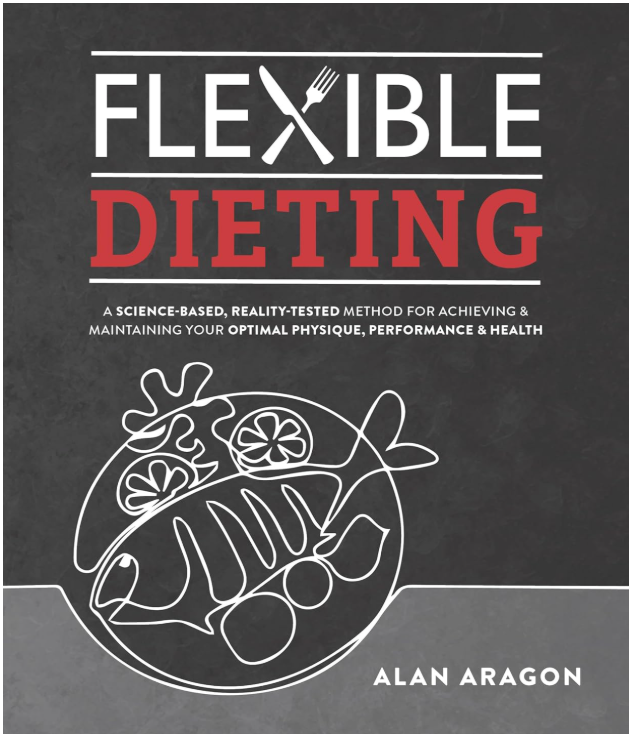
Enjoyed the post? Alan Aragon's book, Flexible Dieting, is the definitive resource you need. It distills over 25 years of his experience as a researcher and educator into a science-based, reality-tested method for achieving and maintaining your optimal physique. You'll learn how to move beyond rigid diet rules and build a personalized, sustainable approach to nutrition that fits your life—not the other way around.

Related Post
*The information provided on this site is for general informational and educational purposes only. All content, including articles, guides, and opinions, is not intended to be, and should not be taken as, professional advice.
*Podomline may earn a small commission if you buy through these links—at no extra cost to you. Thank you